Yes, you can buy U.S. rental property as a non-resident: there is no federal restriction based on your nationality, and you do not need a visa, a green card, or U.S. citizenship. Over the last 10 years I have purchased 120+ U.S. properties this way, managing the portfolio from overseas with my wife. Here is the exact 11-step process I use, from setting goals to getting the keys, all of it doable remotely.
Buying

How to Buy U.S. Property as a Foreigner: 11 Steps
Yes, you can buy U.S. rental property as a non-resident, no visa or citizenship needed. Here is the exact 11-step process I have used to purchase 120+ properties from overseas.
David Garner · Co-Founder
Key takeaways
- Foreigners can legally buy U.S. property; no visa, residency, or citizenship needed.
- A DSCR loan (qualifying on the property's rent) is usually the best route for rentals.
- Most investors buy through a U.S. LLC for liability protection and simpler tax.
- The entire purchase, including closing, can be done remotely by wire and e-signature.
- Accurate underwriting and real due diligence are what keep a deal profitable.
Plan: goals, market, structure
Step 1: Define your goals. Get clear on strategy: monthly cash flow, long-term appreciation, or both. Mine is to double my equity within about 5 years: with a 30% deposit and roughly 5% annual appreciation, $50,000 of equity becomes $100,000, which I can then refinance to buy the next property. Some rentals I bought years ago at $250 a month net now clear $500+. Set goals that fit your own finances, not a copy of mine.
Step 2: Choose the right market. Look for a strong jobs market, high rental demand, landlord-friendly laws, and affordable prices. I buy in the suburbs of secondary markets across the U.S. Midwest and South, where yields beat the coastal cities. See the best U.S. markets for foreign investors.
Step 3: Set up your U.S. structure. Most international investors hold property in a U.S. Limited Liability Company (LLC) for liability protection and simpler tax reporting. Other options (C-corporations, foreign corporations, trusts) can suit specific tax situations. See how to structure your U.S. investment.
Find and finance the deal
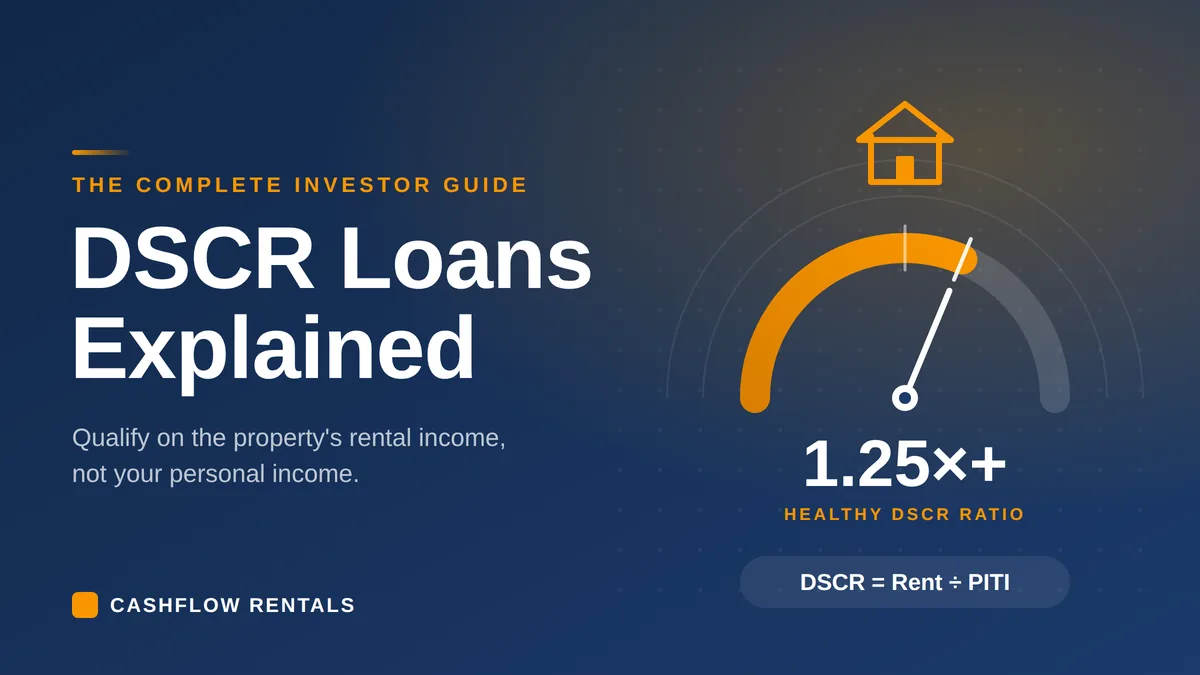
Step 4: Find and analyze properties. Work with an agent who understands international buyers, and underwrite each deal with realistic numbers: rent, management, taxes, insurance, maintenance, a capital-expenditure reserve, vacancy, and growth assumptions. Be too optimistic on rent or too light on costs and the property can lose money every month. Model it in my DSCR calculator, and target a Debt Service Coverage Ratio (DSCR) of 1.0 or higher.
Step 5: Get pre-approved. For a rental, the best loan is usually a DSCR loan. Give a specialist lender the property address and rent roll and you can have a pre-approval in 2 to 4 business days. See the foreign national mortgage guide for the full picture.
Step 6: Make an offer and negotiate. I prefer to negotiate seller concessions over price cuts, because that gives me cash to cover closing costs or buy down the mortgage rate, which lowers the payment and total interest.
Contract, due diligence, and closing
Step 7: Sign the purchase contract. Always include contingencies for a title search, home inspection, appraisal, and mortgage approval. You usually get 30 to 60 days to complete due diligence.
Step 8: Do your due diligence. The title company runs a title search, you hire an independent home inspector (I always add a sewer scope, a couple of hundred dollars that can save tens of thousands), and the lender orders an appraisal. A failed inspection or low appraisal that kills a deal is a good outcome: it just saved you from overpaying or buying a problem.
Step 9: Close remotely. As a foreign investor you can close by wiring funds internationally and signing digitally or by courier. I have closed 100% of my U.S. properties remotely; it is not complicated. Always phone-verify wire instructions with the title company using a known number.
Own and optimize
Step 10: Hire a property manager. A local manager handles leasing, rent collection, maintenance, and tenant communication, which is what makes the income truly passive. Most properties I source for clients come with a tenant and management already in place, through our remote management support.
Step 11: Provide ongoing oversight. Review your manager's monthly statements, audit expenses, and make sure repairs and late rents are being chased. This is the ongoing support we give clients, and it is what protects your returns over time.
How much you need upfront
Most foreign buyers finance the purchase. As a rough example, a $150,000 rental with 25 to 30% down and closing costs needs somewhere around $45,000 to $55,000 upfront.
| Item | Approx. amount |
|---|---|
| Down payment (25 to 30%) | $37,500 to $45,000 |
| Closing costs (approx.) | $7,500 to $10,000 |
| Total cash to close (approx.) | $45,000 to $55,000 |
You will also owe U.S. taxes: property tax, federal income tax on rental income, and potentially capital gains and estate tax. Tax planning matters, so see my U.S. tax guide for foreign investors.
Buying U.S. rental property as a non-resident really does not have to be overwhelming. If I can do it, I suspect you can too. When you want a hand with strategy, financing, and sourcing, you can book a call with my team.
Free Investor Resources
The Foreign Investor Starter Kit
Everything you'll ever need to buy and manage U.S. rental property from overseas safely and with confidence.
Open the Starter Kit
Free to browse. No jargon, no sales pitch.
Frequently asked questions
Can a non-resident really buy property in the U.S.?
Yes. Foreign nationals and non-residents can legally purchase U.S. real estate without citizenship or residency. There are no federal restrictions based on your nationality or immigration status.
What is the best loan for foreigners buying U.S. rental property?
DSCR loans are often best for non-residents. They qualify based on the property's rental income rather than your personal income or U.S. credit.
Do I need a U.S. LLC to buy a property?
Not legally, but many non-residents form an LLC for liability protection and simplified U.S. tax reporting.
Can I buy remotely without visiting the U.S.?
Yes, you can complete the full purchase process, including closing, remotely with the help of your team.
How much money do I need to invest?
Most foreign buyers use financing. With a 25 to 30% down payment and closing costs, a $150,000 property may require around $45,000 to $55,000 upfront.
What taxes will I pay as a foreign investor?
You will owe property tax, federal income tax on rental income, and potentially capital gains and estate tax. Tax planning is essential.
Do I need a property manager?
Yes. A local professional handles tenant placement, rent collection, and maintenance, so your income stays passive while you are abroad.
Written by
David Garner
David is co-founder of Cashflow Rentals and a British investor who has personally purchased more than 120 U.S. rental properties as a foreign national since 2016. He helps overseas investors build U.S. rental portfolios remotely, from his base in Brazil.