High Rates, Real Discounts: Why 2026 Is a Buyer's Market for Rental Investors
Rates are near 7% and sellers outnumber buyers by a record gap. Two real Kansas City deals show how motivated sellers are paying for the buyer's rate.
Read the article →Practical guides on financing, market selection, remote purchasing, and portfolio strategy, from investors who have done it more than 120 times.
 Latest
Rates are near 7% and sellers outnumber buyers by a record gap. Two real Kansas City deals show how motivated sellers are paying for the buyer's rate.
Read the article →
A live Cleveland file, published unfinished. A tenant with 650 credit stopped paying in week seven, two payment plans broke, and in Ohio taking the money can waive the notice you served.
On one platform an owner can be given 33 reports. On another the vendor publishes no list. What your portal shows you is a setting, and your manager holds it.

A viral list of ten inspection red flags, checked against three real reports. Only one matched closely. What got flagged, and what a clean report still hides.
Two real appraisals on two renovated Kansas City rentals. Which approach sets the value, why the subject-to line matters most, and what both of mine got wrong.
You can buy a US rental you'll never walk into. What makes it safe is a sequence, and the whole of it costs under 1% of the purchase price. The steps, in order.

Turnkey often makes more sense from abroad than locally, because it removes presence. What changes for a non-resident, what it costs, and the one form worth $525 a month.
Turnkey removes most of the work of buying a US rental. It doesn't remove ownership. What's still yours after you buy, and what the advertised return leaves out.
Turnkey works, for the right buyer, at the right price. What one renovated house cost to produce, what a full retail chain adds, and who should stay away.

A repairs guarantee paid $2,500 on one client's house and nothing on the other, for a good reason. What these promises cover, what they don't, and what to ask.
Three routes to the same Midwest rental, priced on one house with a real cost stack. Turnkey needs $64,800 in. BRRRR can leave $12,400, if the appraisal lands.
Two documented Kansas City turnkey purchases, side by side. The county was not behind the market, the tax step up has a date on it, and eight words decide whether anything caps it.

I sell turnkey property and there are buyers I turn down. Six situations where I'd tell you to do something else, with the numbers that decide each one.
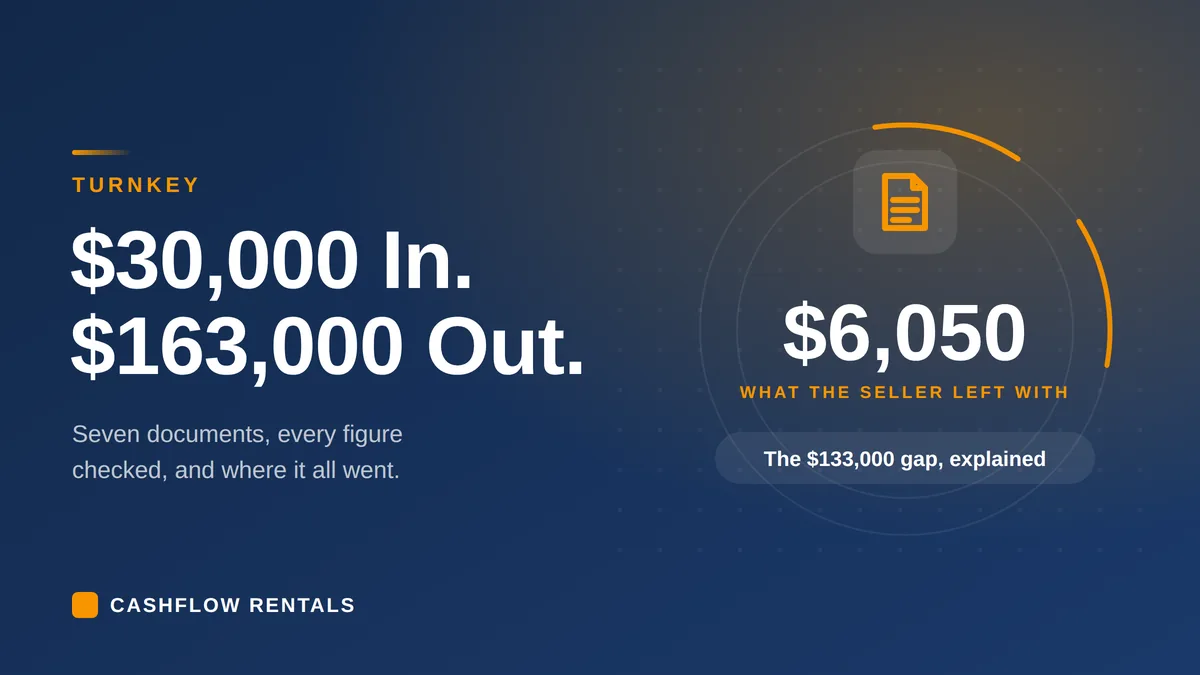
One Kansas City house, seven documents, and every figure checked. What the renovator paid, what the buyer paid, and the $6,050 that explains the gap.
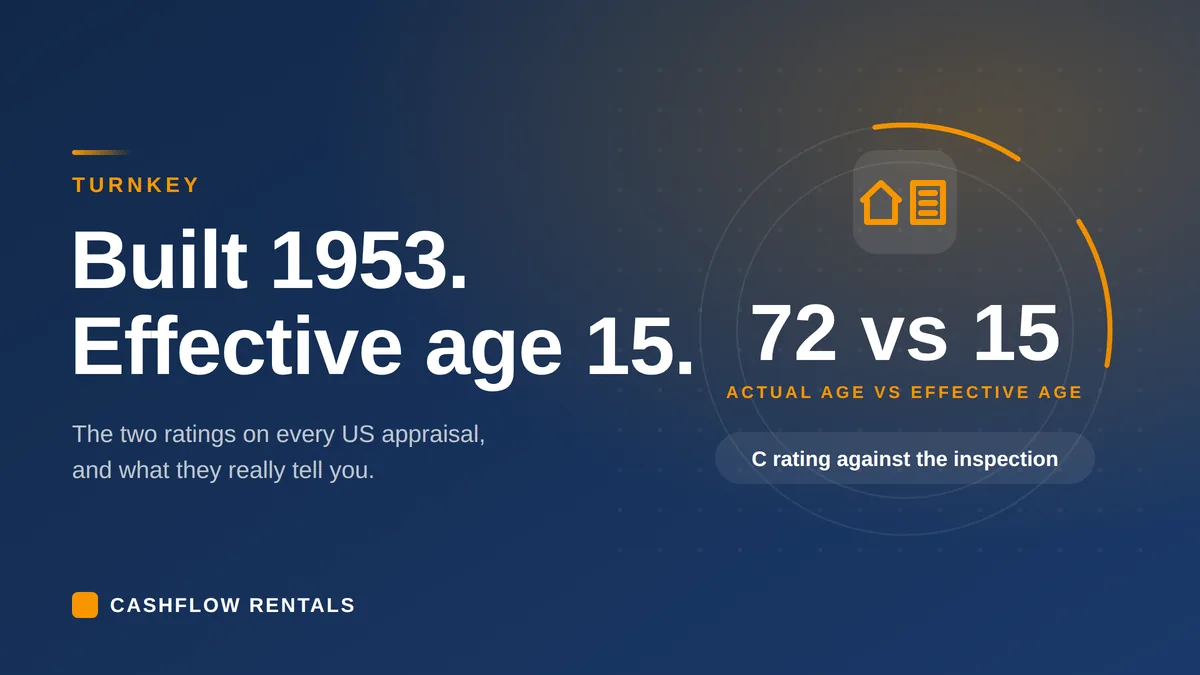
A 1953 house appraised with an effective age of 15. How the Q and C ratings on a US appraisal, read against the inspection, tell you far more about an older rental than the year it was built.
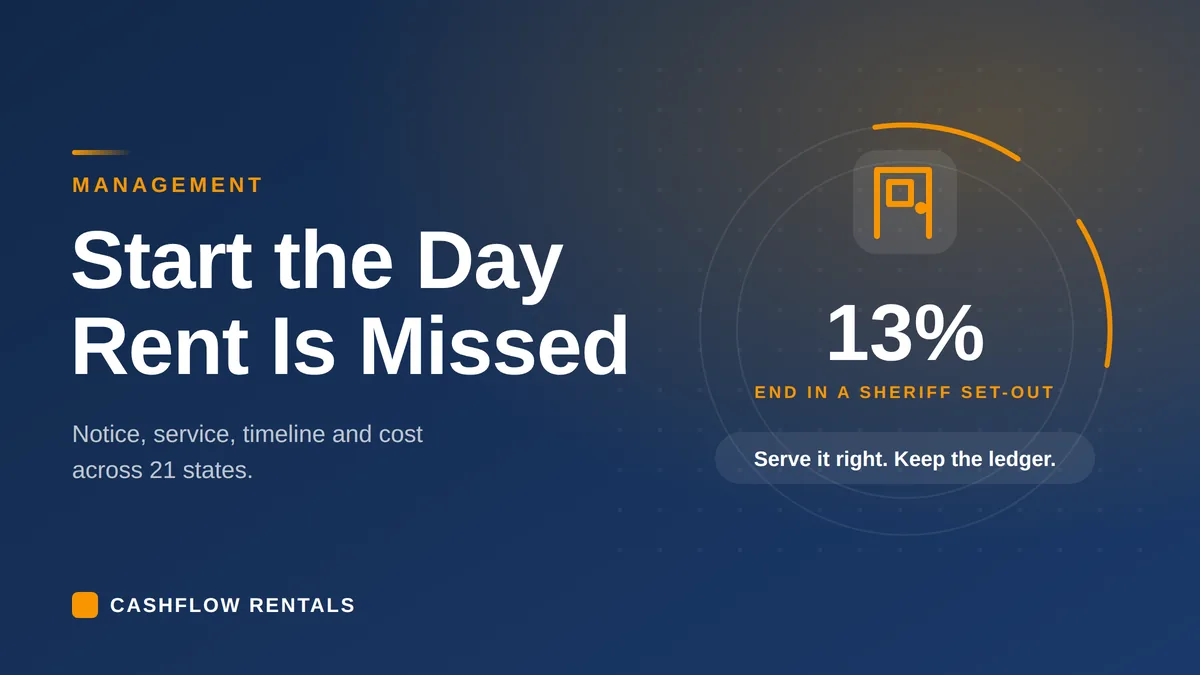
Start the day rent is missed. Notice and service rules, timeline and cost across 21 states, how tenants drag it out, and the evidence a judge wants to see.
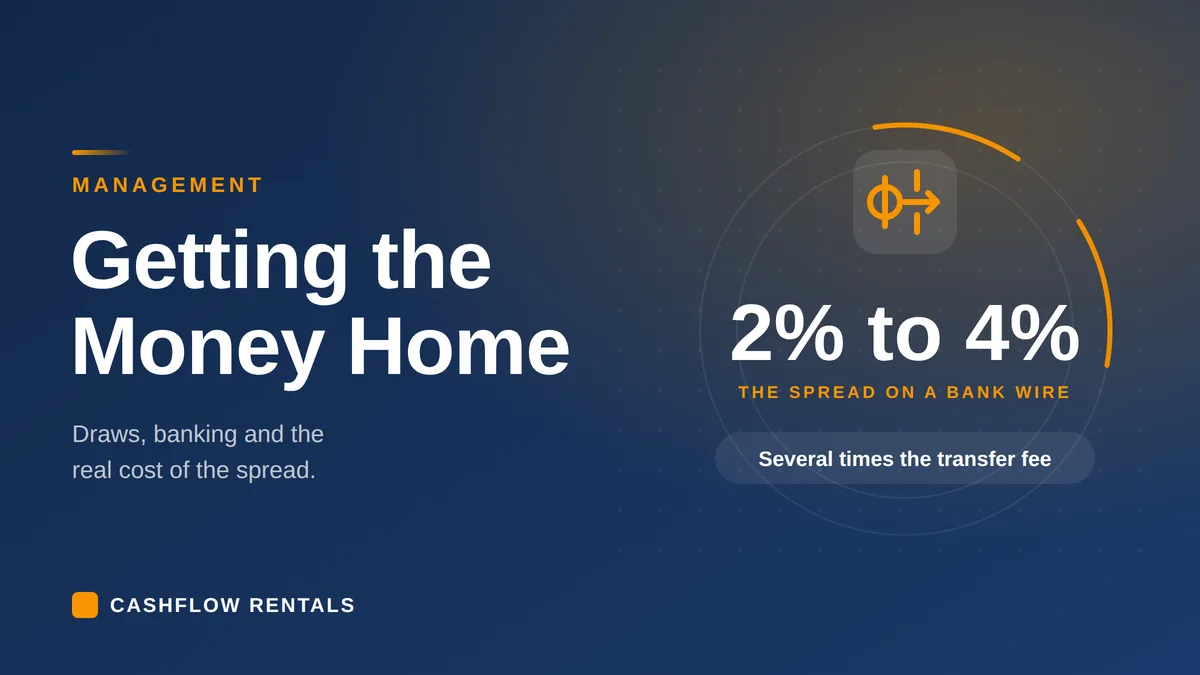
What has to be true before any money leaves, how often to draw, and why the exchange rate spread costs several times the transfer fee. Money out, not money in.
Most vacancy problems are bought, not managed. What lets fast and holds a tenant, what normal looks like, the three reasons a property sits, and when to drop the rent.
Changing manager from another country is a sequence, and most owners run it backwards. The right order, what to get out first, and the month of rent people lose.
How $1,800 of rent becomes a $1,411 draw, the five lines worth questioning every month, and the two things a statement will never tell you.
Most owners hire on one good phone call. The questions I ask instead, which answers you can verify yourself, and the two documents to get before you sign.
Five real quotes came back between $1,171 and $2,210, and one seller said $780. What each coverage does, what it costs, and the deductible line that decides whether a claim pays.

Four options, what each costs on a real $1,800 rental, and why paying the tenant to leave is often cheapest. Plus what you can and cannot do from another country.

Everyone negotiates the fee and signs the rest. The nine clauses that decide what your manager can spend, what they earn when a tenant leaves, and how fast you can go.
Six roles, what each costs, when you need them, and the two that should never be the same person. Most of the team costs nothing until you use it.
You can own and run a US rental from another country. The standard I hold a manager to, what management really costs, and the four checks I run every month.

Not the questions turnkey companies answer on their websites. The ones that generate the most argument in investor forums, ranked by debate, answered with real numbers by somebody who sells turnkey property.
Three real property management fee schedules from Cleveland and Kansas City, what one turnover costs you in fees on each, and the fee you should not cut.
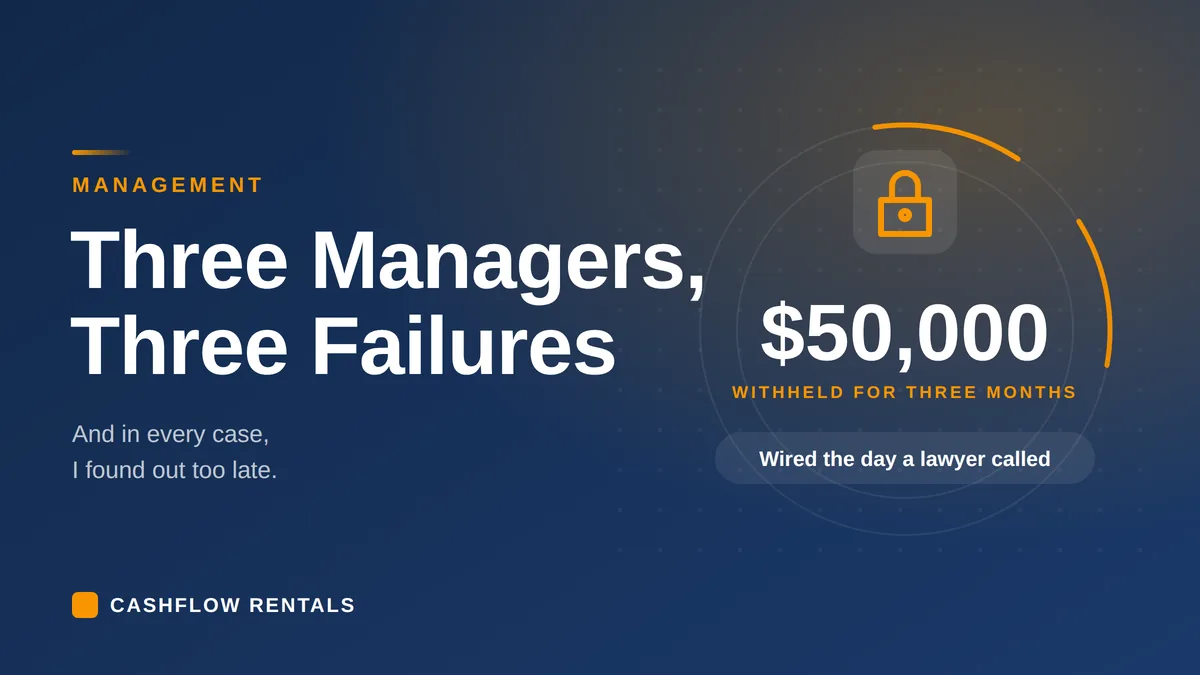
Three property managers, three different failures, across a portfolio that reached 124 properties. One withheld $50,000. One sent photographs of houses that were not mine. Here is what happened, and the oversight system I built after.

Three ways a manager can profit from work on your house, and only one shows on the invoice. How each model works, why none is automatically wrong, and the two hundred dollar test that settles it on any job.
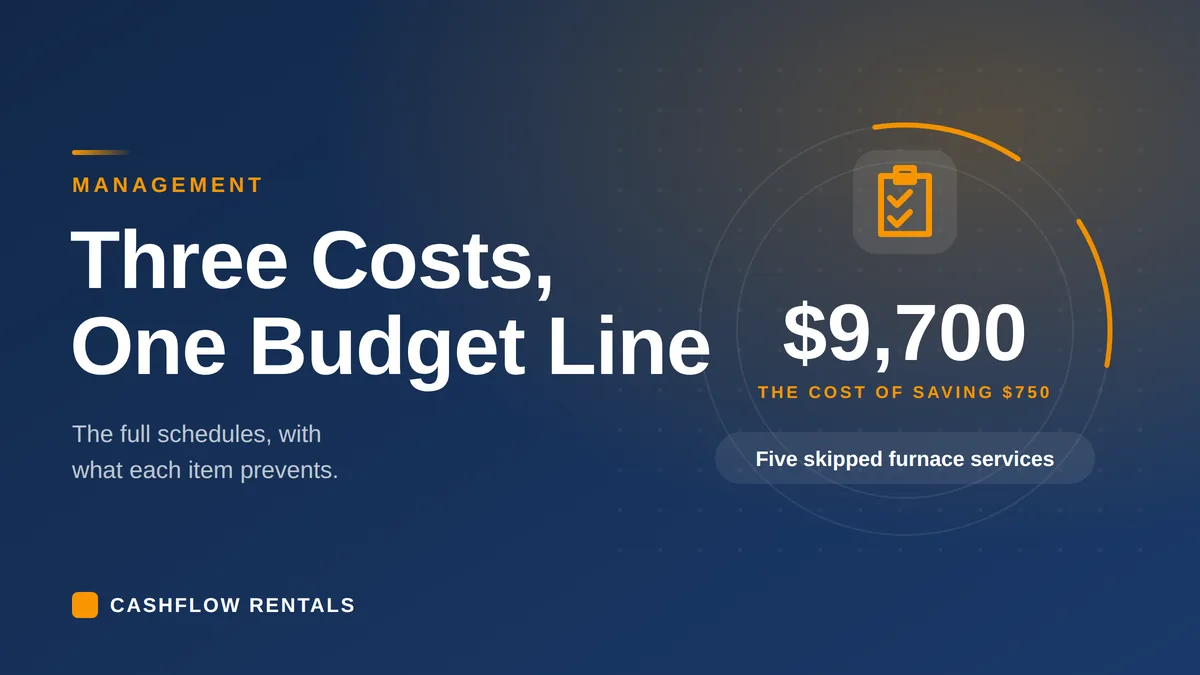
Maintenance is what you spend so things do not break. Repairs are what you spend when they do. Capital is replacing them. Full schedules with costs, consequences, and how to check any of it from 4,000 miles away.
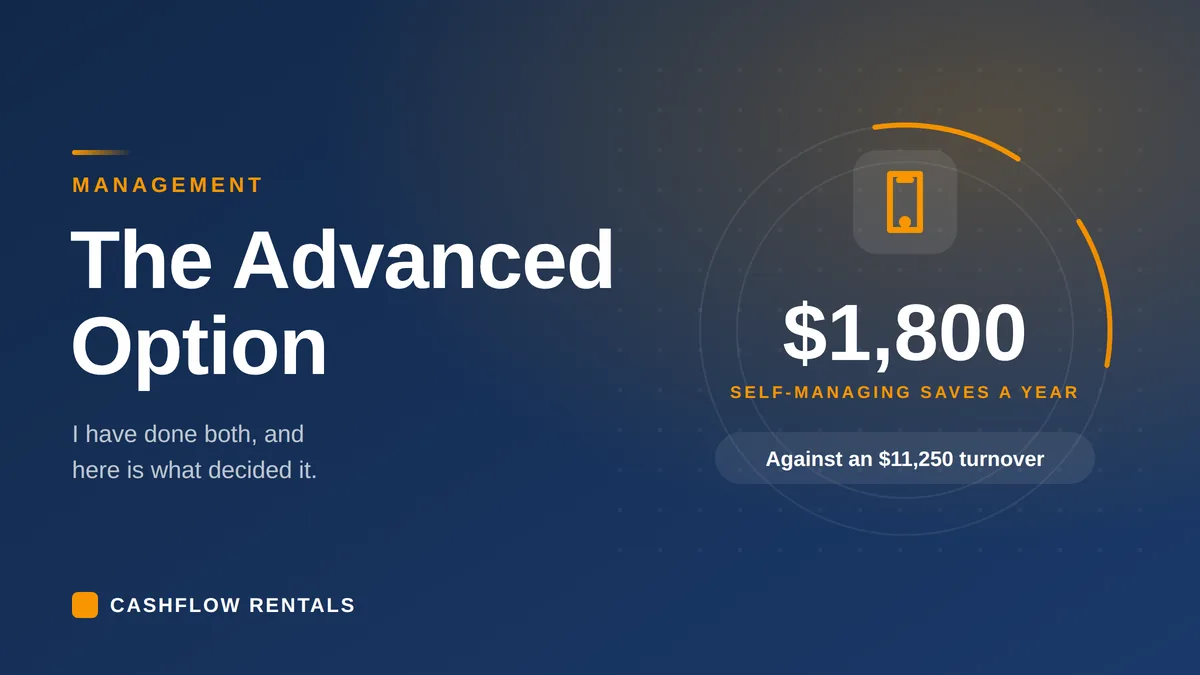
Self-management is usually sold as the cheap beginner option. In my experience it is the advanced one. I have done both, and it only worked once I had things that took years to build.
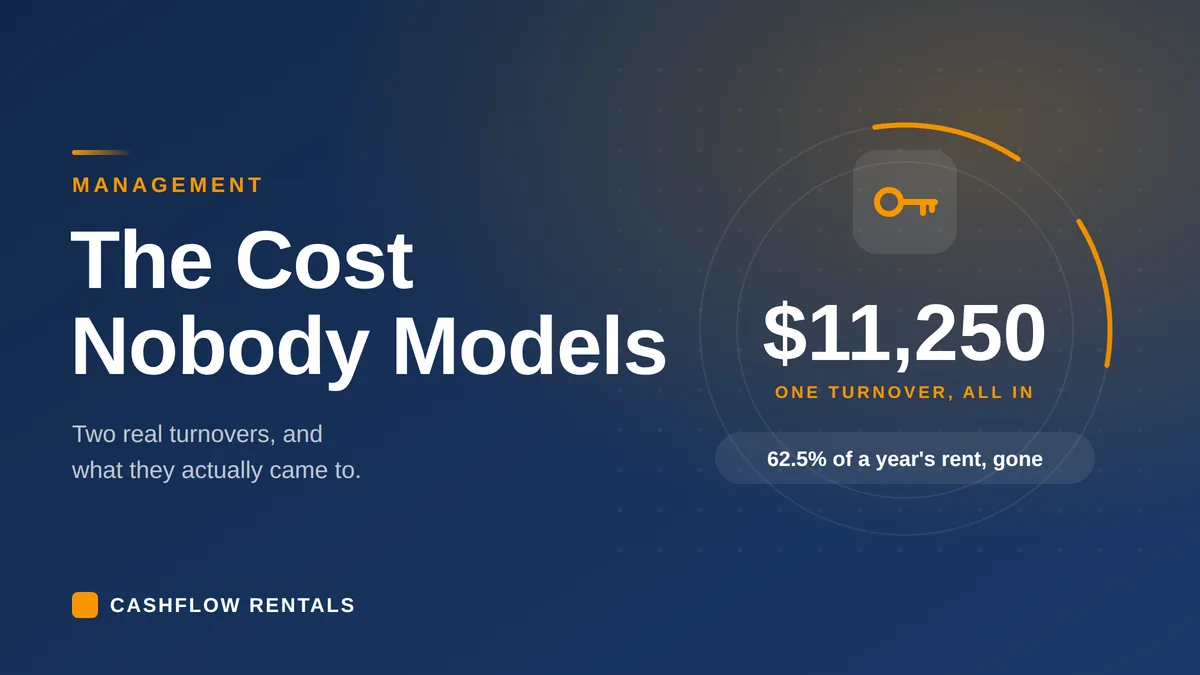
Two real turnovers came to $9,000 and $7,000, before the empty months. Amortized, turnover is the largest running cost on a rental, larger than management and larger than property tax. Almost nobody models it.
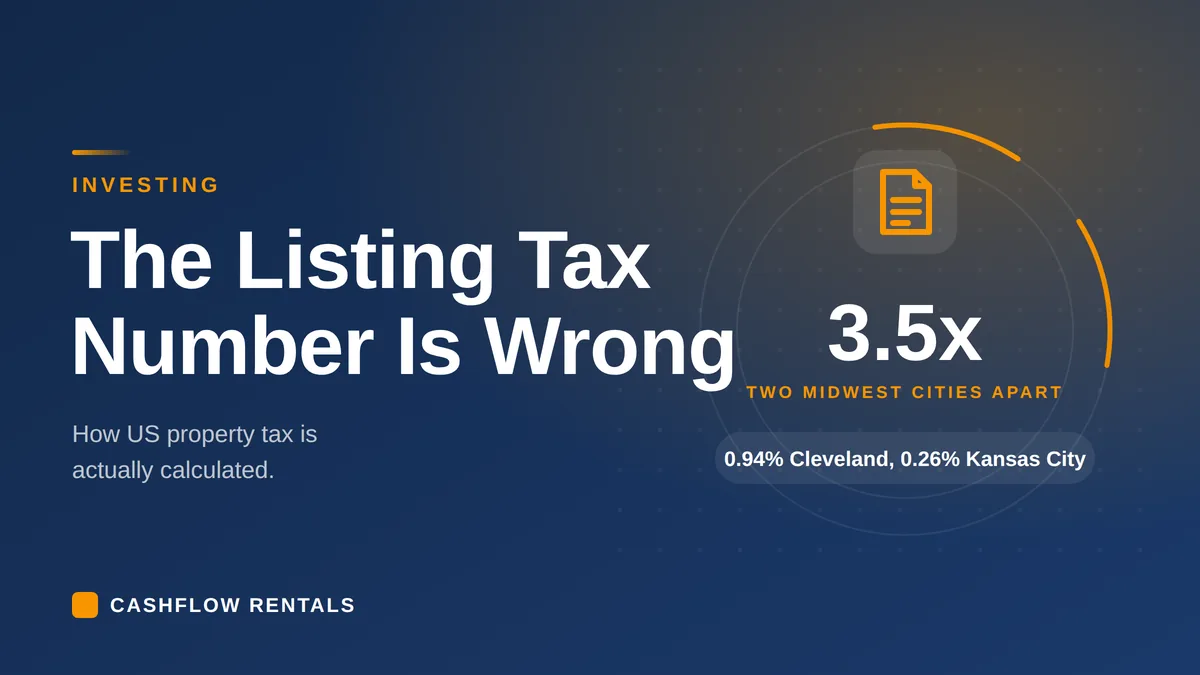
Property tax is the second largest running cost after the mortgage, and the figure quoted on a listing is often the previous owner's bill. How the number is built, what real bills look like, and what to underwrite instead.
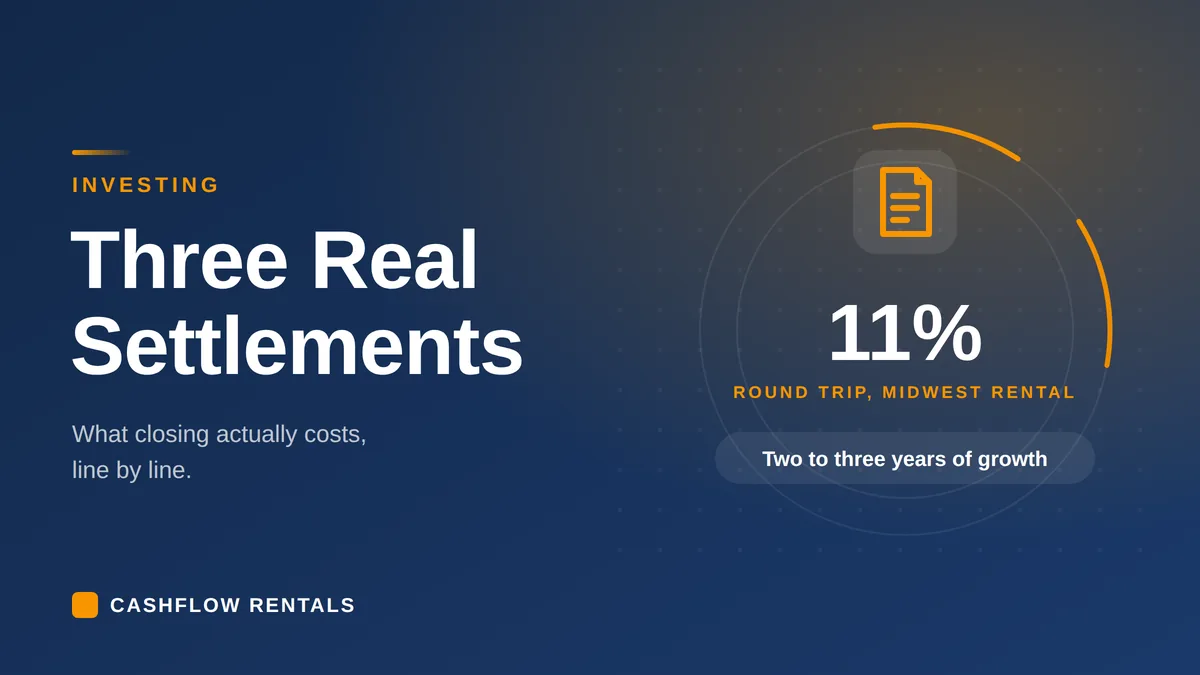
Buying costs ran from 4.04% to 7.53% of price across three real client deals. Selling added about 6.5%. The actual line items from the settlement statements, why the range is so wide, and what an 11% round trip means for your hold period.
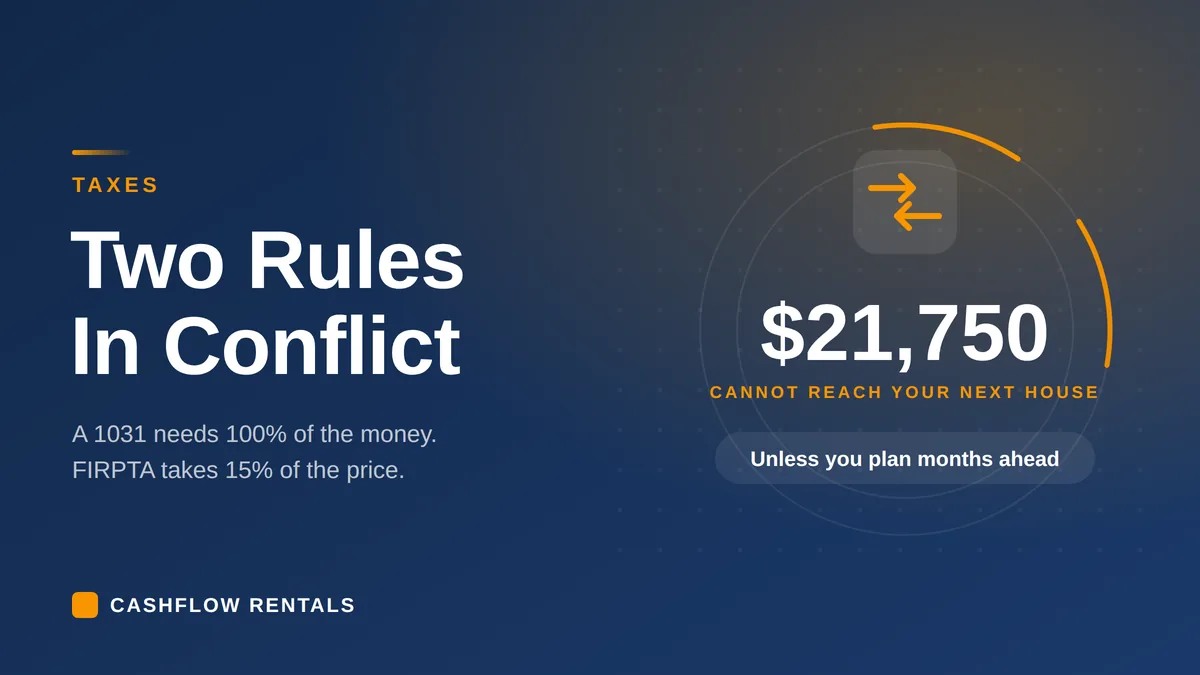
Yes, and there is no citizenship or residency requirement. But FIRPTA and a 1031 are in direct conflict, and if you do not resolve it months before you sell, the withholding breaks the exchange.
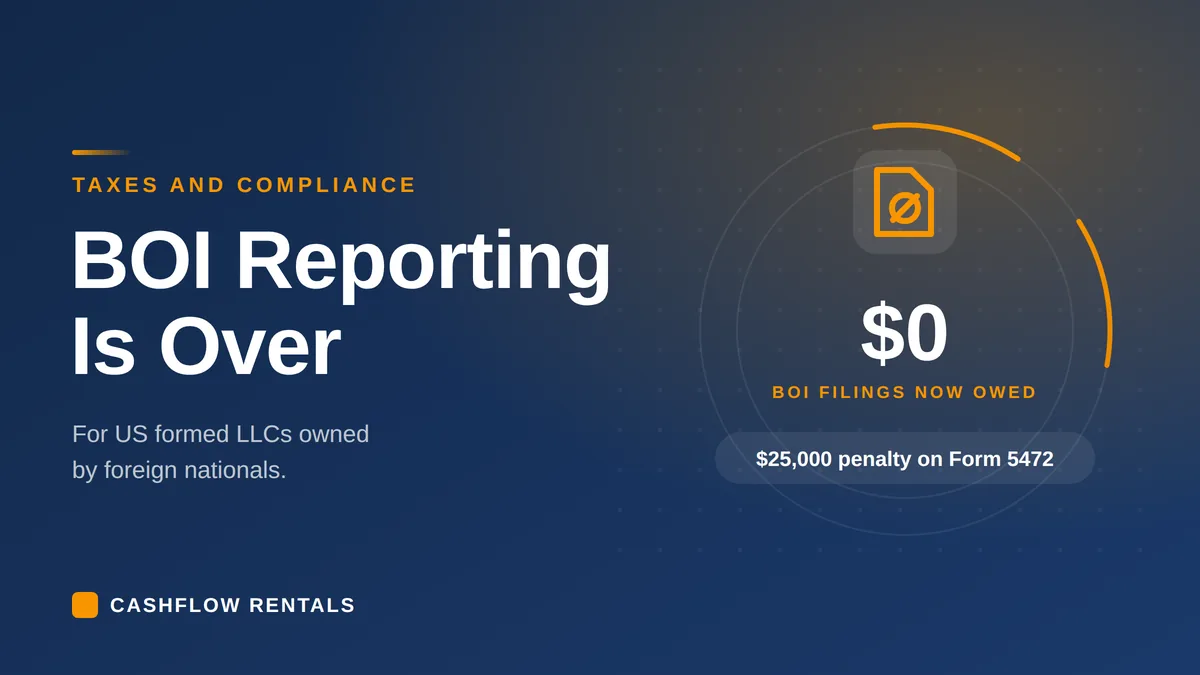
Since 14 August 2026, US formed LLCs owned by foreign nationals are exempt from BOI reporting. What changed, who still files, and the $25,000 filing that has not gone away.
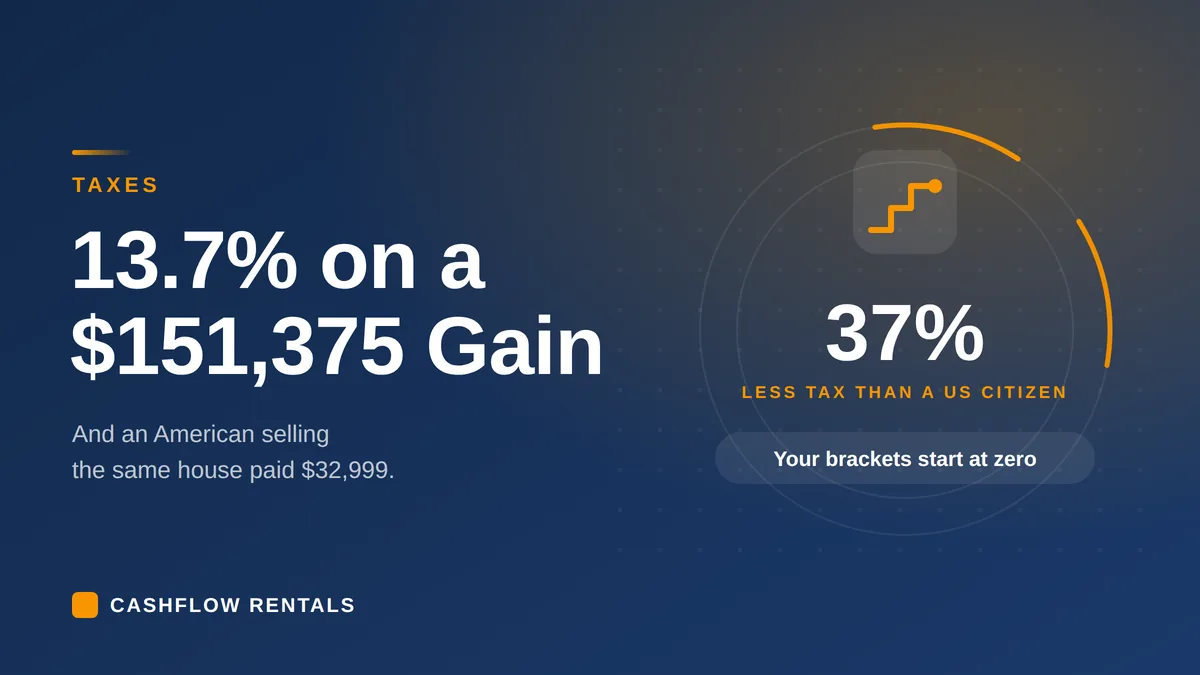
On a real worked sale the bill came to $20,664 on a $151,375 gain, an effective rate of 13.7%. A US citizen selling the same house would have paid $32,999. How the number is built, and what the states take on top.

Up to 15% of your gross sale price is held back. Getting it returned is four stages, and only the last involves the IRS being quick. The sequence, the ITIN gate, and the route almost nobody uses.

If you own a US rental through a single-member LLC and have moved money between yourself and it, you probably have an annual filing you have never heard of. The penalty starts at $25,000 and there is no cap.
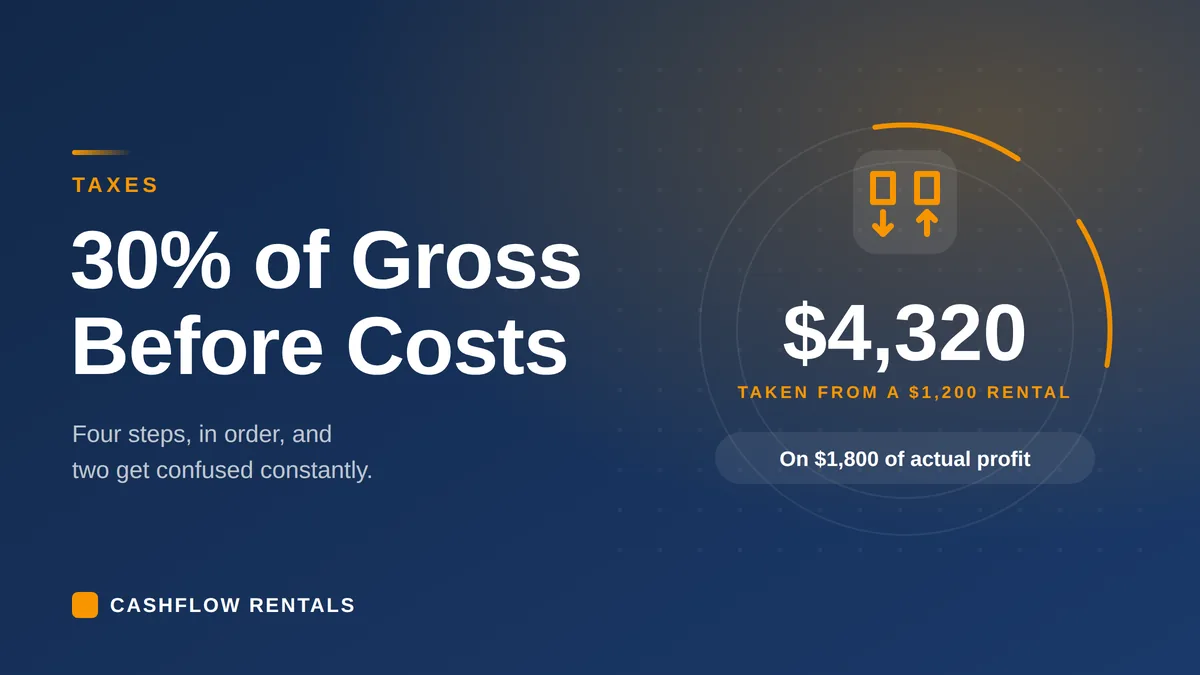
By default America takes 30% of your gross rent before you deduct a single expense. Stopping it is four steps in a specific order, and the two most important ones get confused constantly.
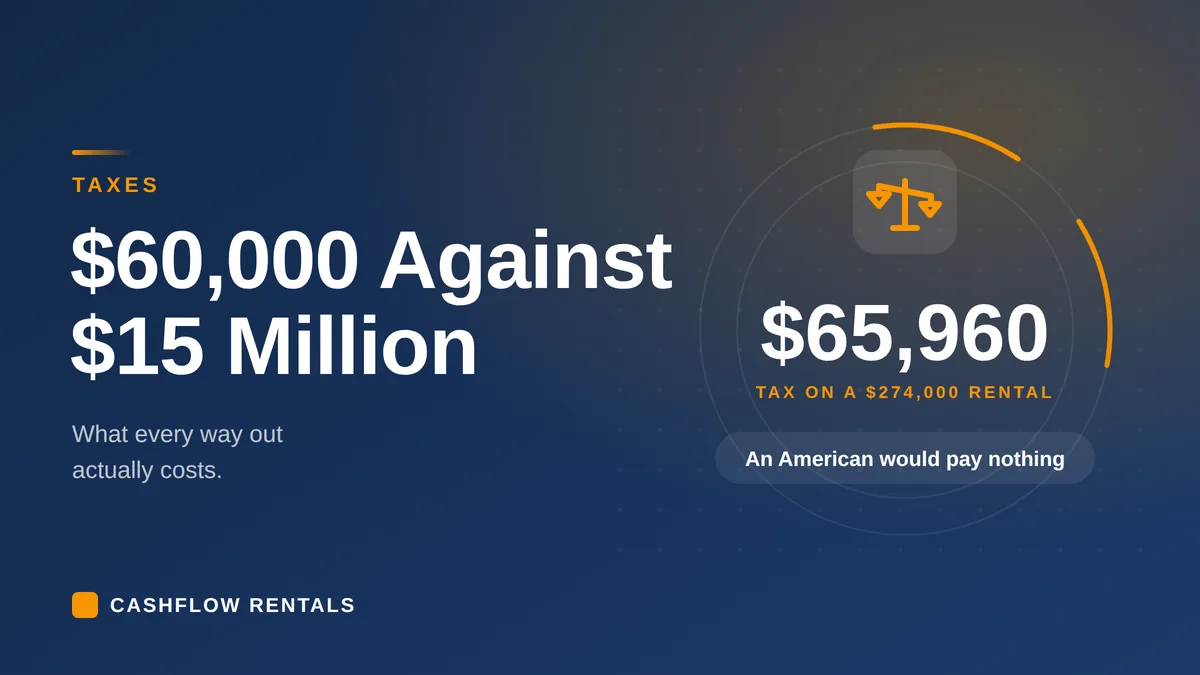
A foreign owner gets a $60,000 exemption. An American gets about $15 million. Every structure that solves it either costs more than it saves, stops you borrowing, or triggers a tax bill to move a property you already own.

I priced four turnkey listings. Three had a number that was wrong and two by more than double. Ten checks you can run yourself, free, using public records and a laptop.

Your US lender cares where your deposit came from, not just how big it is. What is accepted, what needs seasoning, and the cheapest way to move the money.
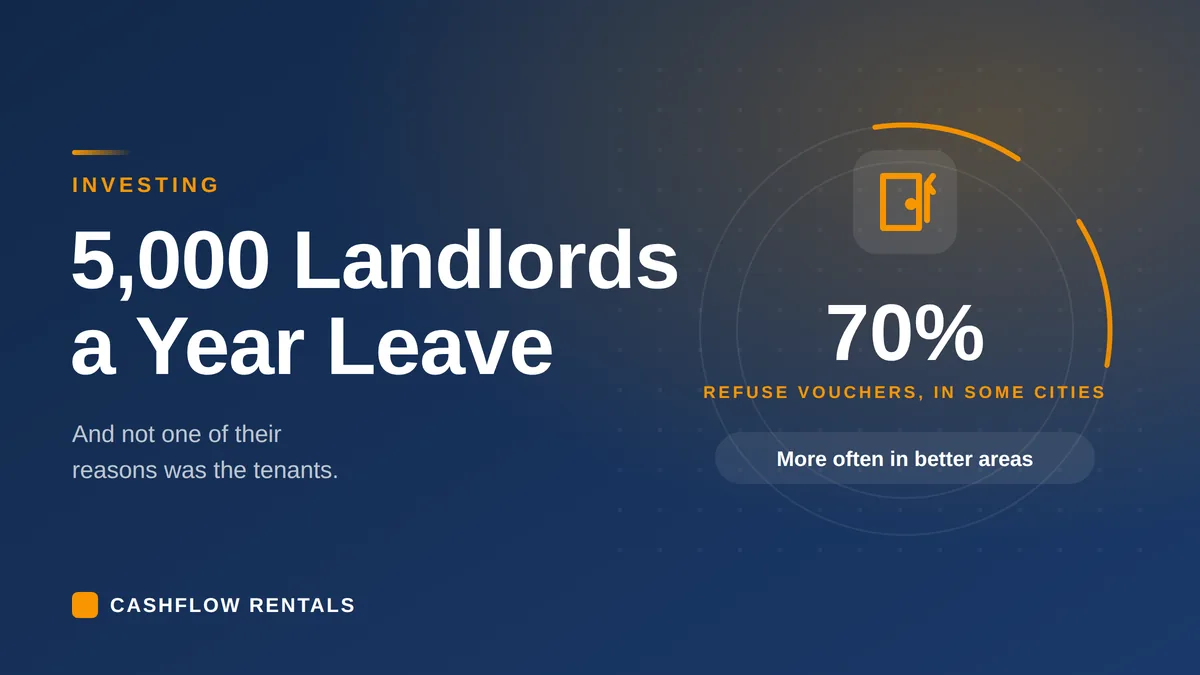
HUD's own figures show more than 5,000 landlords leaving the voucher program every year. Researchers asked 127 of them why, and I left for the same reasons.
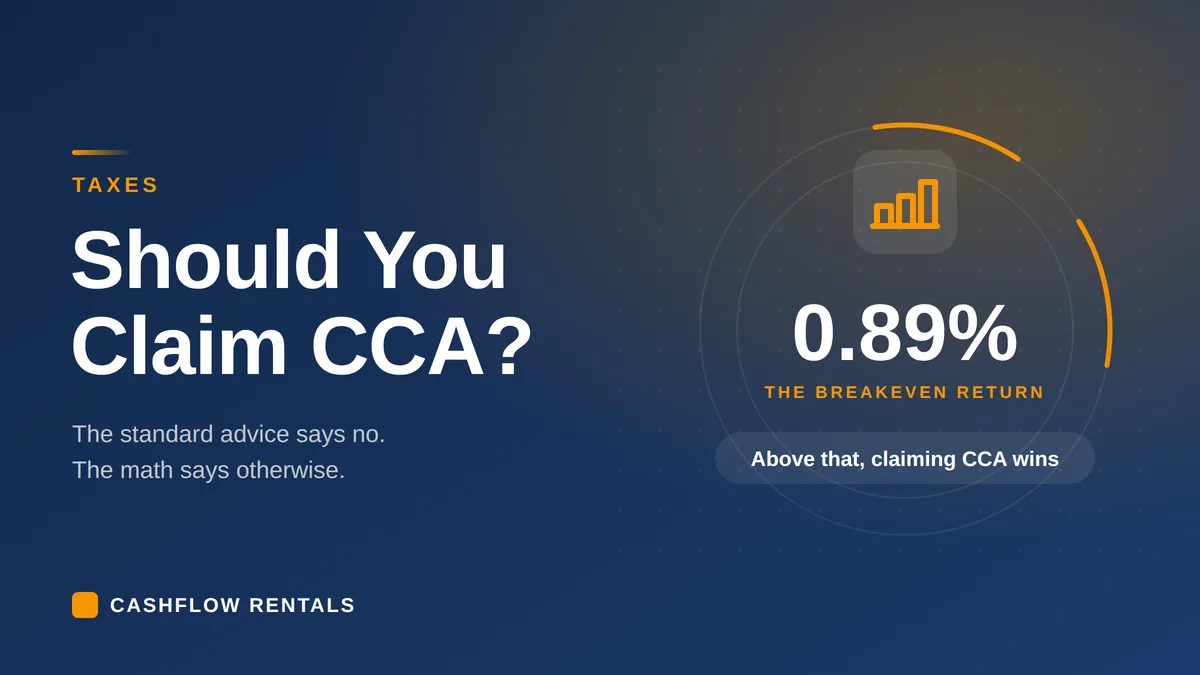
The standard advice is do not claim it. On a real house the cash difference over ten years is C$621 and the breakeven return is under 1%. Here is why I would claim it anyway.
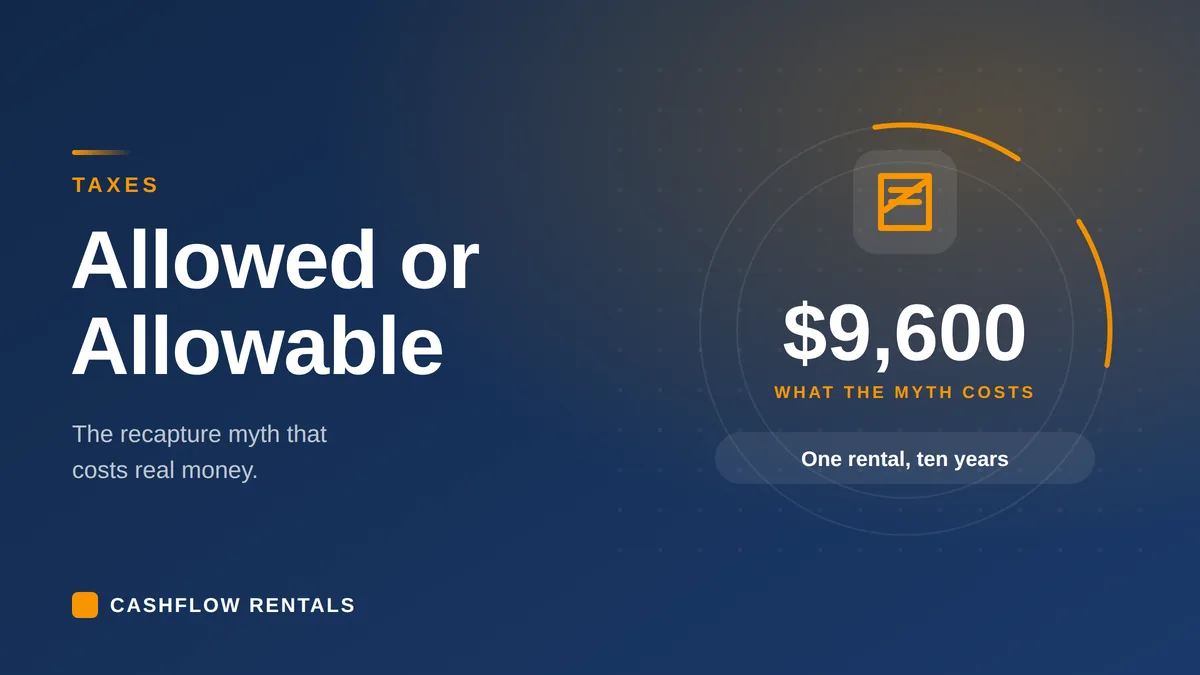
The advice is everywhere and it is wrong. The tax code taxes you on depreciation you were entitled to claim, whether you claimed it or not. What that costs and how to fix it.

You can, but no American lender will finance it, which removes the repayment mortgage that makes US property work. Five structures, priced.

Ten years of rent produced about 280 pounds a year after tax, and the deal still returned 202%. A real Kansas City house, every figure sourced.
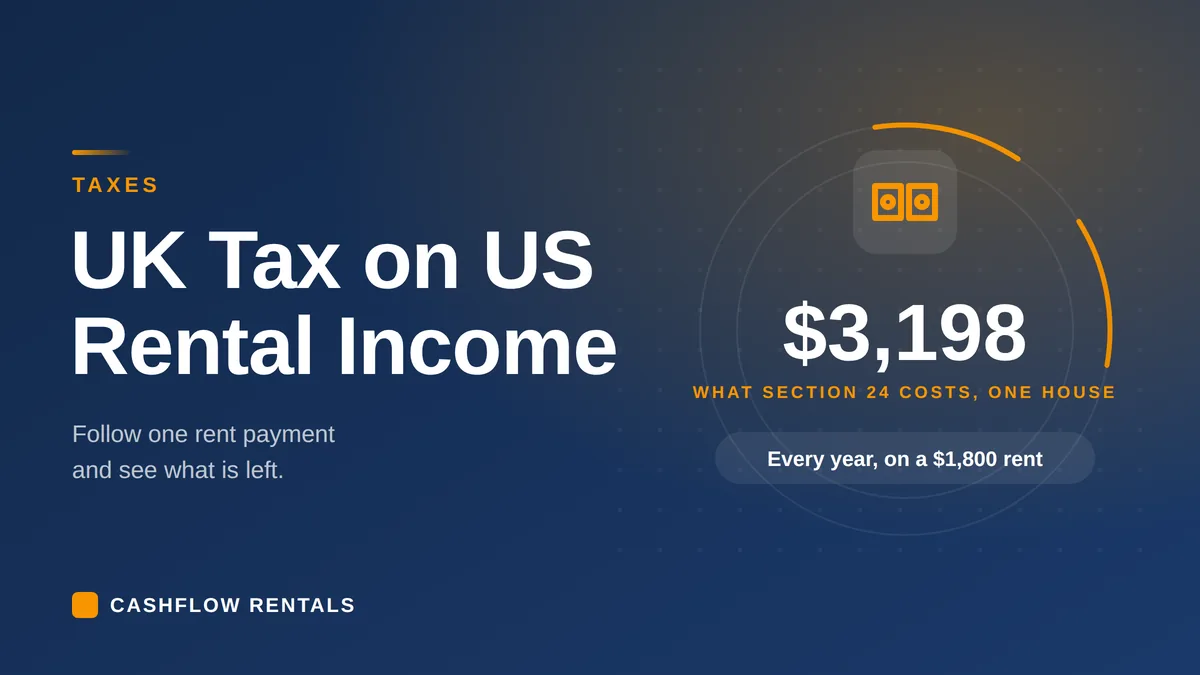
Both countries tax your American rent. You will not pay twice, but you will pay the UK rate. What Section 24 costs, and what changes in April 2027.

Residential property is taxable property under UK pension rules. The charges reach about 70% of value up front, plus an annual charge on deemed income.

Five real US rentals marketed to overseas investors, with independent insurance quotes and tax records checked. Half the headline yield difference disappeared.
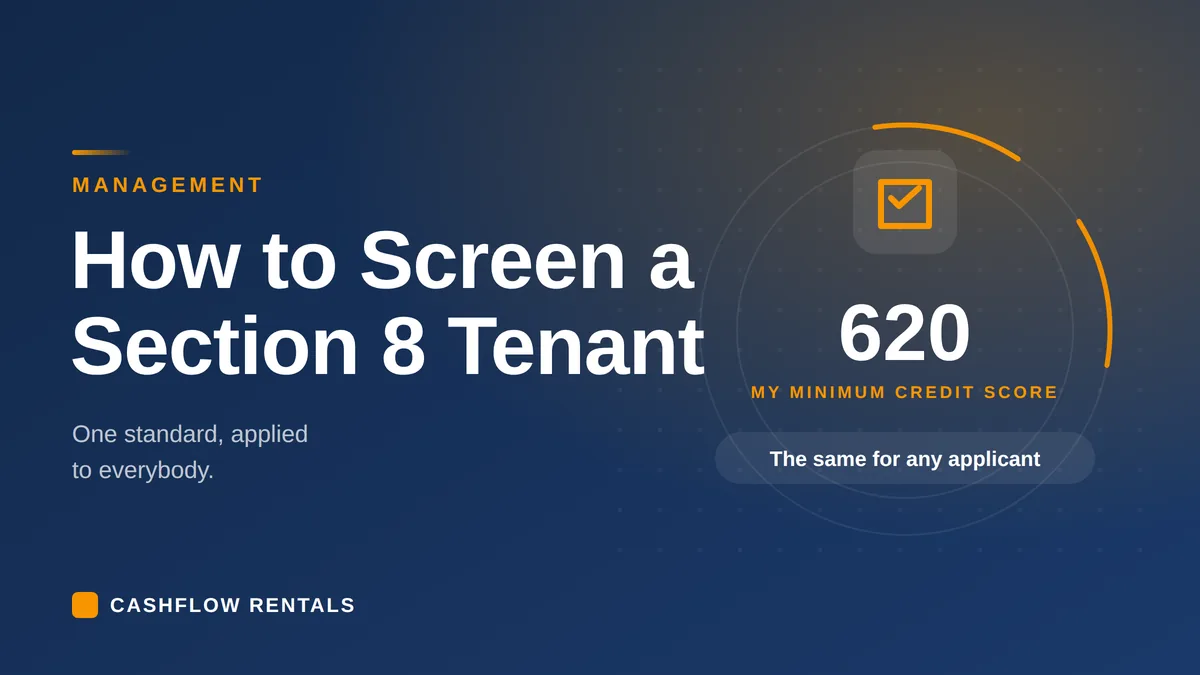
The standard I apply to every applicant, what you may and may not lawfully refuse, and why a consistent standard protects you better than a blanket refusal.
A failed inspection suspends the housing payment until you fix it, which hands a tenant a lever that exists in no other tenancy. How it works and how to remove it.
Sellers quote HUD's Fair Market Rent as achievable income. It is a ceiling on a ceiling, with six filters between the published figure and your bank account.
Section 8 is sold as guaranteed passive income. It is neither. What the program actually pays, why Fair Market Rent is not your rent, and the risk nobody mentions.

You cannot attend the inspection, verify the tenant or walk the street. What running a Section 8 portfolio in Mississippi from Europe actually taught me.

A tenant pay rise moves your rent from a government payer to a household payer. Here is the math behind the risk nobody selling voucher property mentions.

The pitch rests on a government counterparty, so the government's plans belong in your due diligence. The current position, with dates, and what Congress actually enacted.
We analyzed HUD's complete Fair Market Rent record, every US area from 1983 to 2026: how often the ceiling falls, the 10% decrease cap, and regional divergence.

Two pitches dominate US property marketing to British buyers. Here is what the cheap renovation promise and the Florida holiday home really cost, with real numbers.

There is no US buy-to-let mortgage, but there is an equivalent. A real Liverpool terrace priced against a real Kansas City rental over ten years, with the real numbers.
Yes, but most lenders will not quote you. Three real term sheets on cheap Ohio rentals show what the small loan penalty costs, including a hidden LTV cap.
Two clients lost their financing after pre-approval, contract, and earnest money. Neither was declined for being a foreign national. What killed both deals, and how to avoid it.

Canadians bought 16% of all foreign-purchased US homes in the year to March 2026, retaking the top spot from China. What the numbers say, and what they don't.
NAR's 2026 report shows foreign buyers bought 67,100 US homes worth $45.3 billion, down 14% by count and 19% by value. What the numbers mean for investors.
The rate is one line on a term sheet; the rest decide what it really costs. Points ladders, the 5-4-3-2-1 prepayment penalty, and rate locks, decoded.

You can buy and finance a US rental without ever visiting the US. The full process from pre-approval to a remote closing, and the realistic timeline.
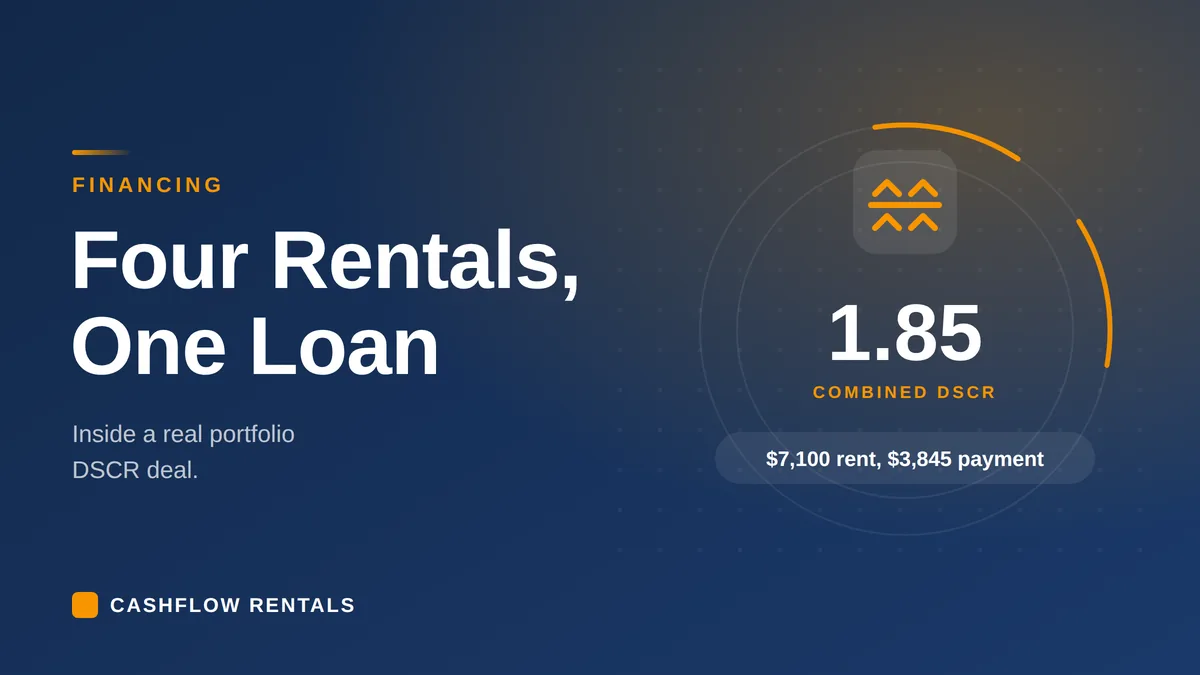
A real four-property Kansas City portfolio loan: $700,000 at 70% LTV and 6.5%, $7,100 rent, combined DSCR 1.85. The numbers line by line.
A duplex or fourplex finances like a house, and every unit's rent counts toward one DSCR loan. How the math works, what changes, and my buy-box rule.
A DSCR lender won't fund until you have a US entity, an EIN, and a US bank account in place. Here's the setup, the EIN timing trap, and the fast ways around it.

Real quotes on the same Kansas City rental: 70% LTV against 75% LTV. The 75% deal looked like less money in, but needed more total cash at a worse rate.

You can qualify and still watch your closing stall over a few bank statements. How source-of-funds and seasoning rules work for foreign buyers, what documents prove each source, and the deposits that trip people up.
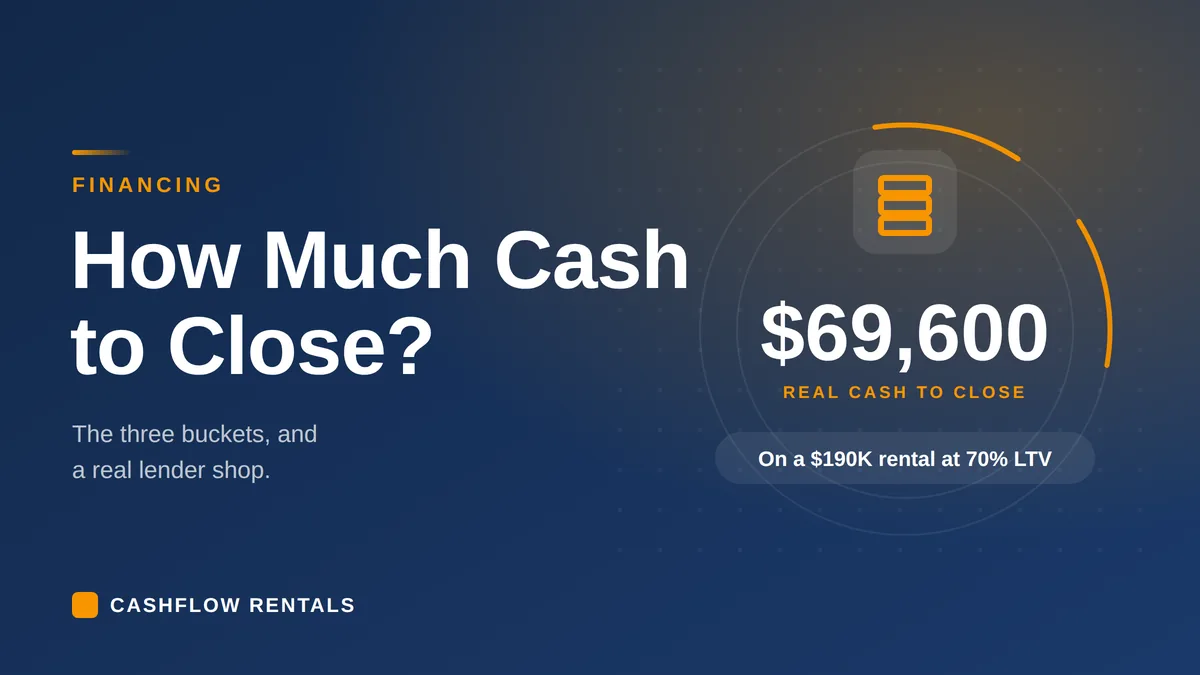
The rate isn't the number that decides your deal, the cash to close is. The three buckets, down payment, reserves, and closing costs, with real figures, plus a lender shop where the direct lender won.
Same house, same borrower, about $9,500 less cash to close, and your return barely changes. How I restructured a real DSCR deal with a seller credit and a better loan tier, and the line not to cross.

Do you need US credit to get a DSCR loan? No. Most foreign nationals get one with no US credit at all, at 70% LTV, and counterintuitively, mediocre US credit can hurt your terms.
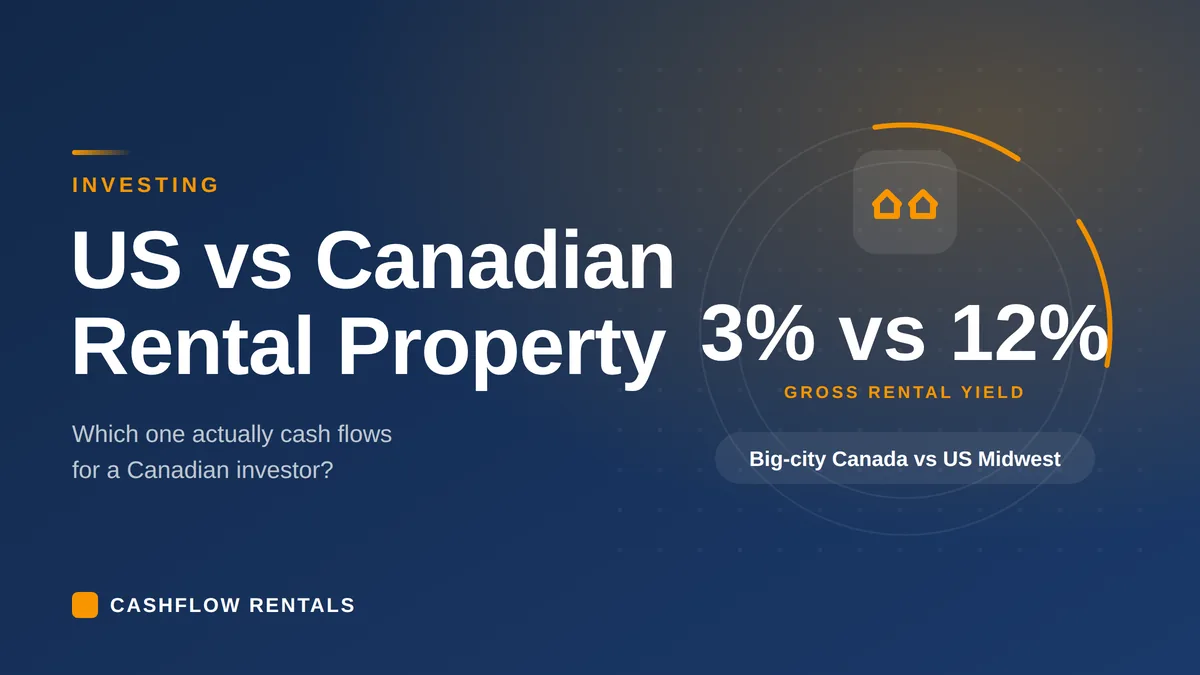
Why does your Canadian rental barely break even while a US Midwest one cash flows from day one? The honest comparison on price to rent, financing, and growth.
Can you hold a US rental in your RRSP or TFSA, or pull the money out tax free to buy one? Mostly no. Here is what is actually true, and what Canadians do instead.

FIRPTA is not automatically 15%. It can be 10% or zero depending on who buys. A real Kansas City house held ten years, and what a Canadian owner kept.

For most Canadians the down payment is the hurdle, not the US mortgage. Here is how to fund it from your home equity with a HELOC, the tax angle, and the trap to avoid.

Most Canadians owe no US estate tax on a US rental thanks to the Canada-US treaty. Here is how it works, a real client example, and when to plan for it.

How foreign investors buy Kansas City rental property in 2026: the state line divide, the market numbers, and how to pick the right neighborhood as a foreign national.
Getting your down payment into a US account before closing is simpler than most Canadians expect, if you know what to prepare. Here is exactly what to do, and when.

Yes. Canadians can finance a US rental property with no US income, US credit, or SSN. Here is exactly how DSCR loans work for Canadian investors, step by step.
Most Canadians need $55,000 to $90,000 USD for their first US rental purchase. Here is the full breakdown by line item, with a real client example.
An LLC is the usual advice, but for Canadians it creates a CRA/IRS tax mismatch that costs you every year. Here is why an LP is usually the better structure.

Most Canadian investors pay zero US tax on their rental property. Here is how the ECI election, depreciation, and cross-border filing actually work.

The best way for Canadians to hold U.S. rental property, from a cross-border tax attorney: why an LLC usually backfires, and why a U.S. limited partnership wins for cash and financed buyers.

DSCR ARM vs fixed rate, compared for rental investors: how SOFR, margins, caps, and prepayment affect your payment and DSCR, with a decision matrix and quote checklist.
A real Cleveland deal from February 2025. Two duplexes, four units, 70% at 6.75%, and the DSCR the lender approved on versus the very different one the owner banks.
A practical guide for Canadians buying U.S. rental property: financing (DSCR, foreign national, ITIN), banking and FX, a step-by-step timeline, and where to buy.
DSCR loan vs hard money for rental property: how speed, cost, LTV, and underwriting differ, when to use each, and the bridge-to-DSCR (BRRRR) playbook to refinance.
A practical due diligence checklist for turnkey rental property: vet the provider, verify the rehab, validate the pro forma, and model DSCR before you wire a single dollar.
The complete foreign national mortgage document checklist: KYC, source of funds, reserves, LLC docs, and templates for DSCR and ITIN loans, so you get approved faster.
A plain-English, side-by-side comparison of DSCR and conventional loans for rental property: how each qualifies you, rates and costs, property types, and when to choose each.
How a DSCR cash-out refinance lets you pull equity from a rental using the property's income: rate behavior, LTV caps, seasoning rules, and how to size your maximum cash-out.
How foreign nationals qualify for a DSCR loan on U.S. rental property: requirements, down payment and reserves, rates and terms, and a step-by-step path to approval.
Compare the three main U.S. mortgage options for foreign investors: DSCR, foreign national, and ITIN loans. See how each qualifies, typical LTVs, and which fits you.

The DSCR loan pre-approval checklist: exactly what documents lenders need, how to get approved in 24 to 72 hours, why pre-approval wins deals, and how long it lasts.

The DSCR lending red flags and scams that cost investors thousands: bait-and-switch rates, upfront fees, vague terms, and wire fraud, plus how to protect yourself.
How to improve your rental property's DSCR: four levers to raise rent, cut expenses, strengthen your file, and structure the loan for a higher ratio and a better rate.
DSCR loans vs bank statement loans for self-employed investors: how each qualifies you, the LTV, credit, and documentation differences, and when to choose which.
How DSCR loan rates work: current indicative ranges, the 5-year Treasury benchmark they follow, what drives your rate, and the levers to get the best one on a rental.
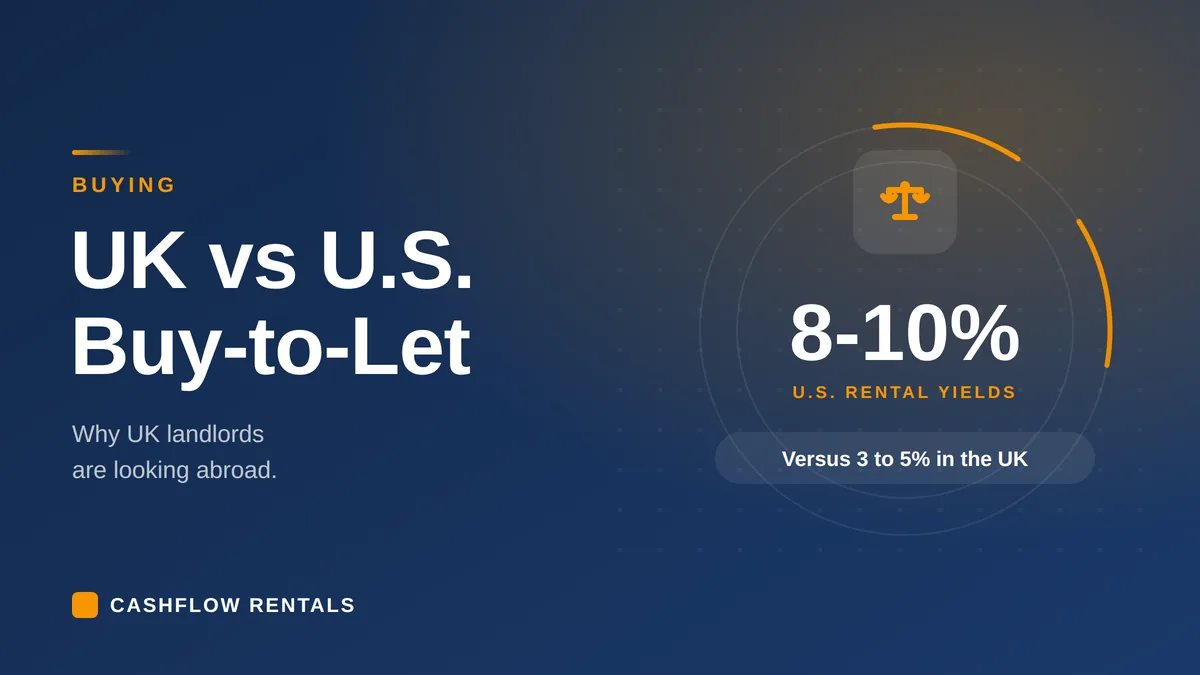
An honest UK vs USA buy-to-let comparison from a British investor: why Section 24 follows you overseas, and what UK property still does better.

A candid review of the top U.S. turnkey real estate companies for foreign investors, how I evaluate them, and the red flags to avoid, from someone who has bought 120+ rentals.
How to buy U.S. investment property as a foreigner, step by step: goals, market, LLC, financing, due diligence, and remote closing, from an investor who has done it 120+ times.
How I invest in U.S. real estate as a foreigner after 120+ rental purchases: the near-bankruptcy that changed everything, my quality-first buy box, markets, and financing.

How I built a 120+ property U.S. rental portfolio from overseas: choosing markets, building local teams, using technology, financing with DSCR loans, and the pitfalls to avoid.

The best U.S. cities for rental property cash flow: Cleveland, Kansas City, Birmingham, Toledo, Memphis, Baltimore, and Indianapolis, compared on price, rent, and yield.

A working list of U.S. foreign national mortgage lenders, the banks, private lenders, and brokers that lend to non-residents, with the loan types, LTVs, and terms each offers.
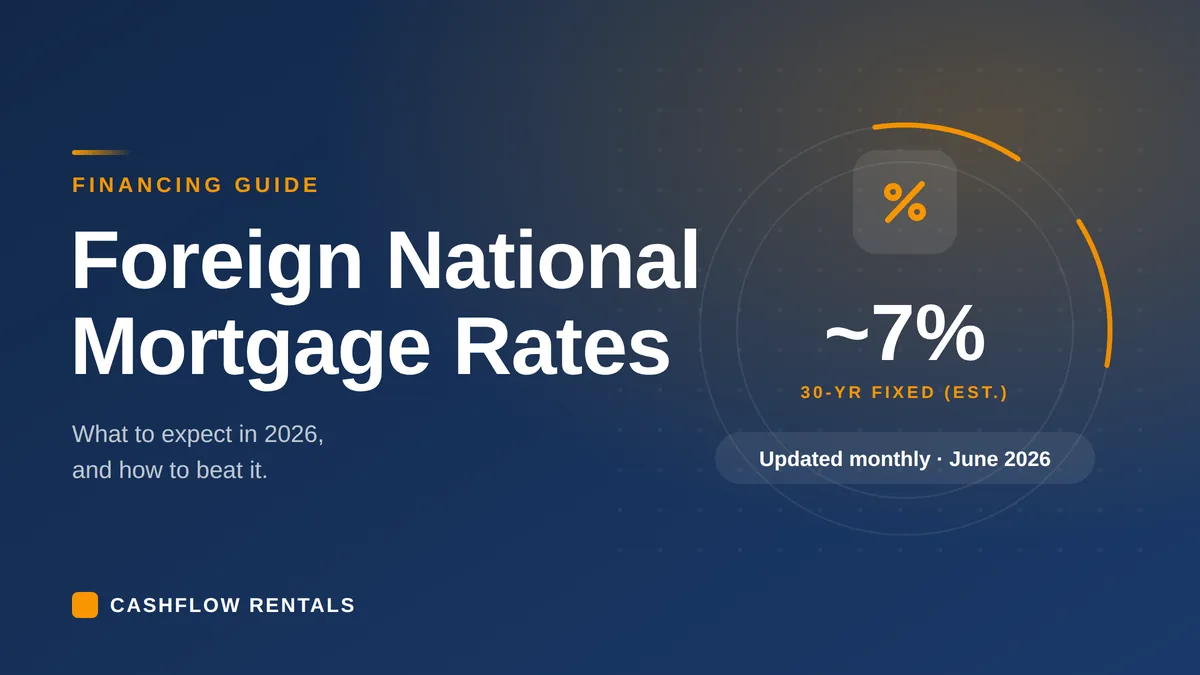
Current foreign national mortgage rates for 2026: what to expect, what drives your rate, and how to get the best deal, from an investor who has done it 120+ times.
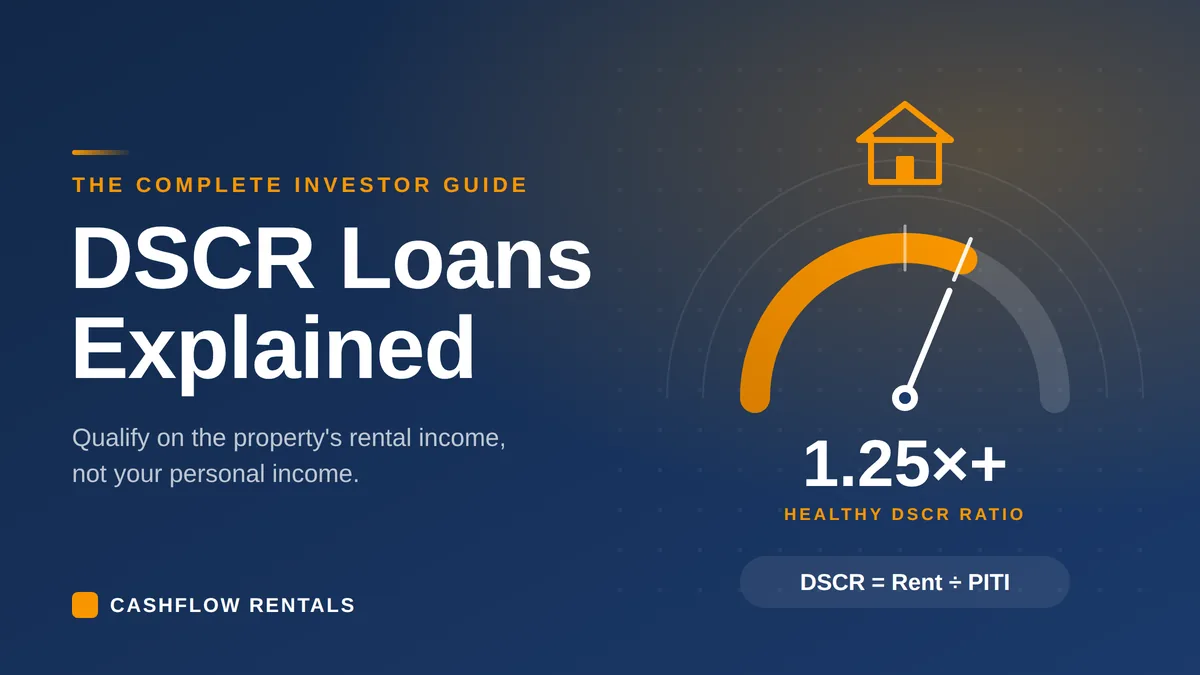
How DSCR loans work, what lenders require, real rates and closing costs, and the risks no lender will tell you, from an investor who has borrowed $6m using them since 2016.

Cleveland is one of the most affordable U.S. rental markets, with strong cash flow if you get the neighborhood right. Here's the west/east divide, old systems, taxes, and the numbers.
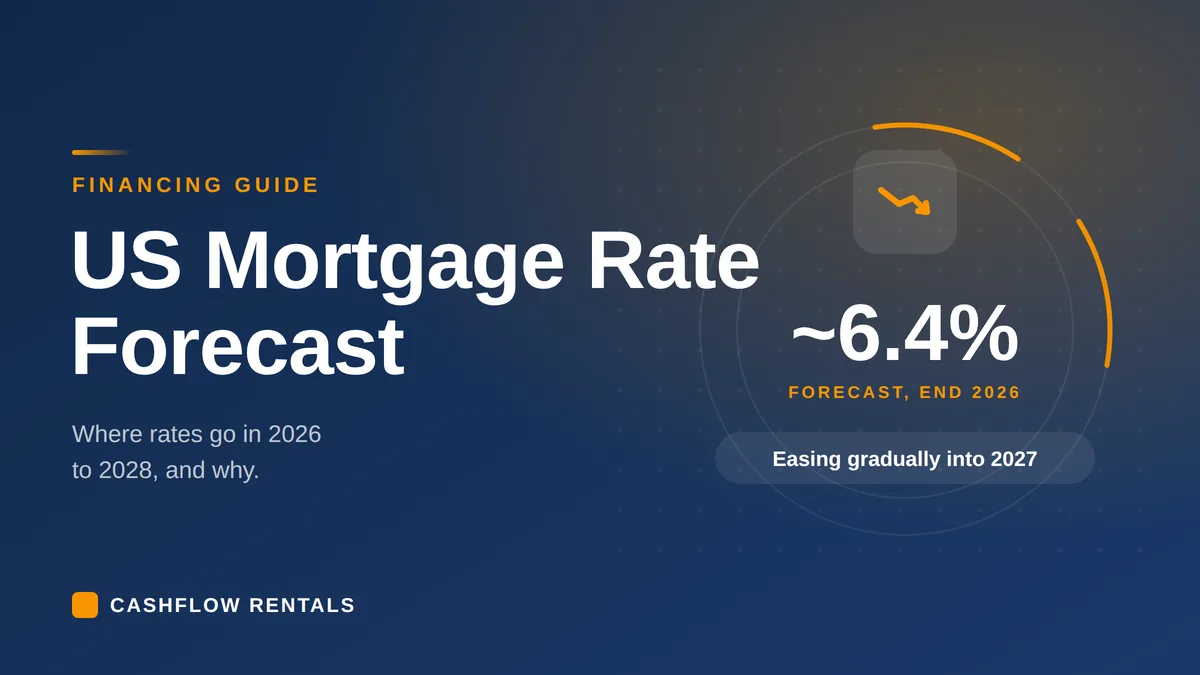
Fannie Mae and the MBA now expect about 6.8% for end-2026, and both raised again in September. The latest forecasts, and how far they've moved.

How foreign investors should structure U.S. real estate for tax efficiency and liability protection: individual, LLC, LLP, C-corp, foreign corporation, and trusts compared.

Four moments matter: buying, owning, selling and dying. One investor followed through all of them with real numbers, so you can see what America takes at each stage and what your own country takes on top.
How foreign nationals get a U.S. mortgage with no SSN, U.S. credit, or residency: loan types, rates, down payments, documents, lenders, and how to get pre-approved.

After buying 120+ U.S. rentals, here's how I choose markets, why affordability and neighborhood beat cap rates, and the Midwest markets I like: Kansas City, Cleveland, and Baltimore.
No articles in this category yet. Check back soon.
Everything you'll ever need to buy and manage U.S. rental property from overseas safely and with confidence.